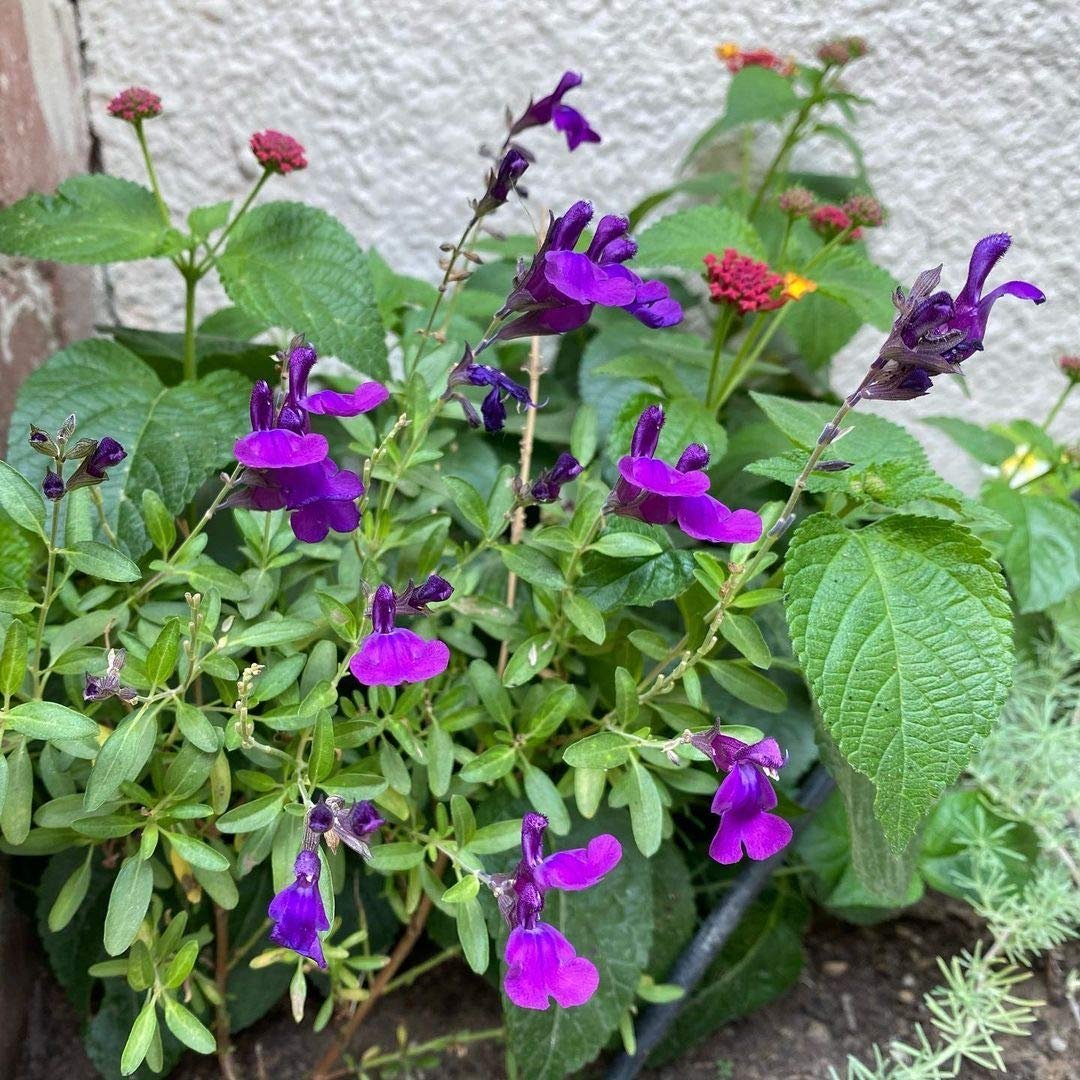
Description
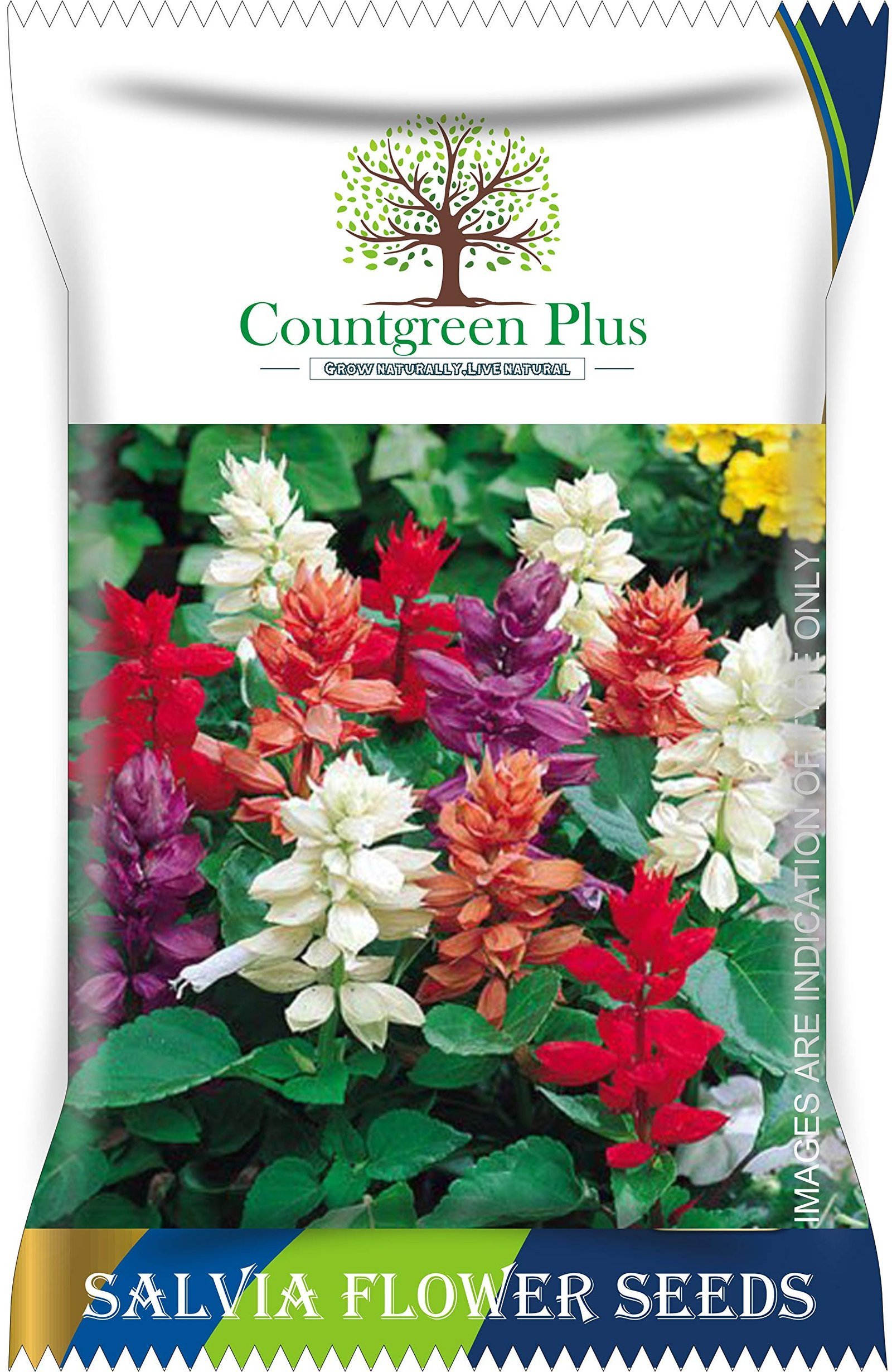
Color: Multicolour
Features:
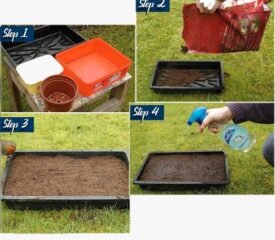
- Salvia may be grown from seed sown early indoors and transplanted outside after frost, or planted as a potted plant. Sowing Seed Indoors: Sow salvia indoors 10-12 weeks before the last frost. Sow seed thinly and evenly and barely press into seed starting formula.
- Salvia is relatively easy to plant. You can sow salvia directly outside in your garden soil if the conditions are right.
- The best time to plant out salvias is from late May to early June, or as soon as possible after the risk of late spring frosts has passed. This gives plants the maximum time to establish and get their roots down before winter. We recommend that salvias are trimmed back before planting to encourage sturdy growth.
- Most salvias prefer full sun and well-drained soils, but some will bloom well in part shade. Once established, most salvia species are quite drought-tolerant and require little care. Excessive water and fertilizer can increase fungal disease problems for salvias.
- Most salvia plants are easy to grow, drought-tolerant, bloom abundantly, and look gorgeous in the landscape.
Package Dimensions: 0x0x0
Salvia is a diverse genus of flowering plants that includes many different species, each with its unique characteristics and requirements. Timing : The best time to sow Salvia seeds can vary. In general, it’s recommended to start the seeds indoors 8 to 10 weeks before the last frost date in your area. This allows the seedlings to develop and be ready for transplanting after the danger of frost has passed. Seed preparation : Salvia seeds generally do not require any special treatment before sowing. However, soaking the seeds in warm water for a few hours or scarifying the seed coat by lightly rubbing it with sandpaper can help improve germination rates for some species. Soil preparation : Choose a well-draining soil mix suitable for seed starting or use a quality potting mix. Salvia prefers soil that is fertile and rich in organic matter. Ensure the soil is moist but not waterlogged to avoid seed rot. Sowing the seeds : Sow the Salvia seeds on the soil surface and lightly press them into the soil. Salvia seeds are generally small, so take care not to bury them too deep. Light and temperature : Salvia seeds require light for germination. Place the seed trays in a bright location, but avoid direct sunlight, as excessive heat can dry out the soil. Maintain a consistent temperature of around (21-24°C) for optimal germination. Watering and care : Keep the soil consistently moist but not waterlogged. Water the seedlings gently from below or use a misting spray to avoid disturbing the seeds. Once the seedlings have emerged, reduce watering slightly to allow the soil to dry out slightly between watering sessions. Maintenance : Provide regular waterings to keep the soil consistently moist, especially during hot and dry periods. Deadhead the spent flowers regularly to encourage continuous blooming and prevent self-seeding, if desired.